
„The Comoros“
The Comoros—a small archipelago in the Indian Ocean with a population of just about 870,000. The country is predominantly Muslim. In addition to Comorian and Arabic, French is also one of the official languages.
Getting there by boat
It is possible to travel there by cargo ship from Tanzania or Madagascar. Here you’ll find all the information about my search in Tanzania and the adventure that followed.
Visa
The Comoros offers a visa-on-arrival for many nationalities, which costs 30 €.
Accommodation and prices
The currency is the Comorian franc, which is pegged to the euro. 1 € equals 491.96 KMF. The Comoros itself is relatively expensive compared to other countries in East Africa. Prices for lodging start at 10,000 KMF for very basic accommodations. For better accommodations with a fan or AC, Wi-Fi, a shower, and a kettle, I paid between 15,000 KMF and 20,000 KMF. In Moroni, I recommend the Burak Motel, which offers excellent value for 15,000 KMF. Check out my post about it on iOverlander.
Cycling
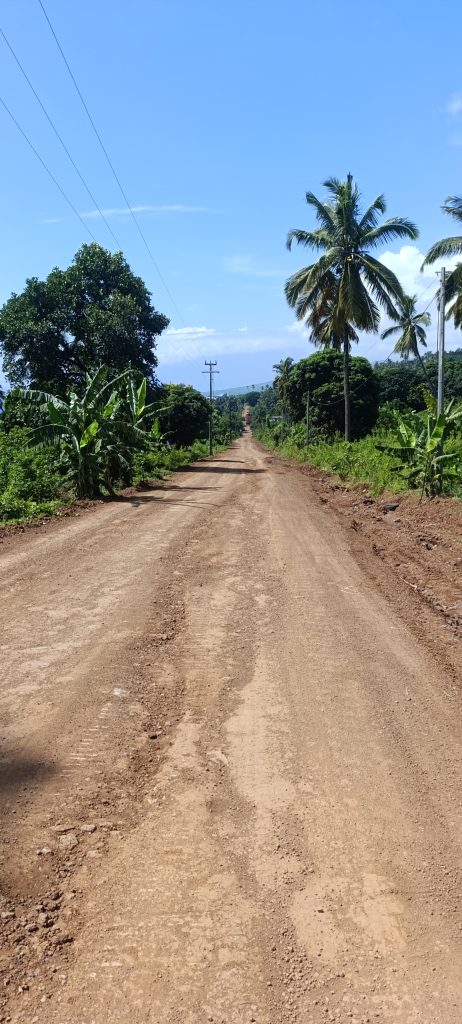
The roads in the western part of the island are paved and flat, but as you head east (toward Foumboni/Mitsamiouli), they become well-maintained gravel roads with some inclines.
Highlights
After my “adventure” at the police station in Moroni (read the full story here), I still had a little over a week to explore at least the main island, Grande Comore. Although the island is only about 1,000 km² in size and stretches about 65 kilometers from north to south, there’s plenty to see and do here.
Mount Karthala
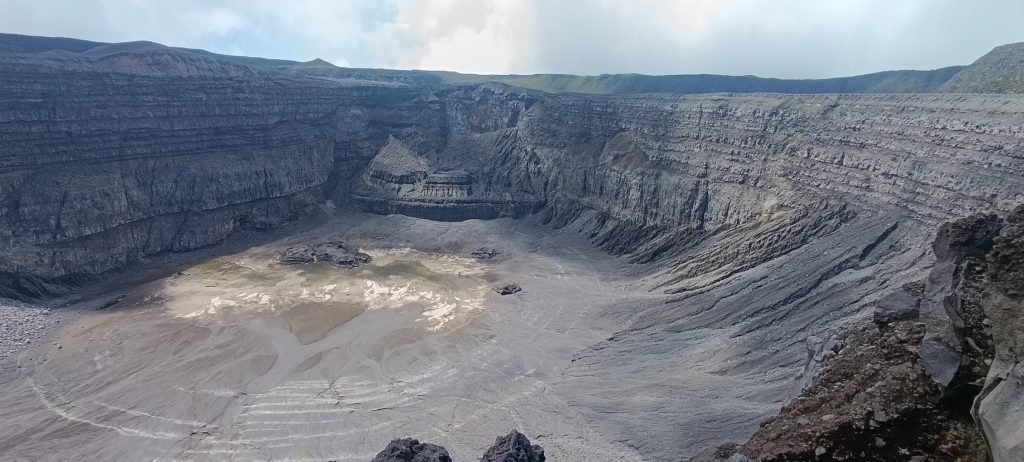
A visit to the Karthala volcano is a highlight of any trip to the Comoros. Anyone who wants to visit the volcano—which last erupted in 2006—by bicycle should leave their luggage in Moroni. The road covers the nearly 2,000 meters in elevation from the starting point in Mvouni (at 380 m) to the lookout point (at 2,240 m) over a distance of about 13 kilometers. There are many steep sections with gradients between 18% and 22% to navigate along the way. I did it as a hike. The view into the crater is well worth the effort. Via the official road, admission costs 5,000 KMF per person. Cars cost extra. If you bring a tent, there’s a fantastic campsite at the top. The road starts in Mvouni (11°43’27.5″ S 43°16’35.1″ E).
Lac Salé
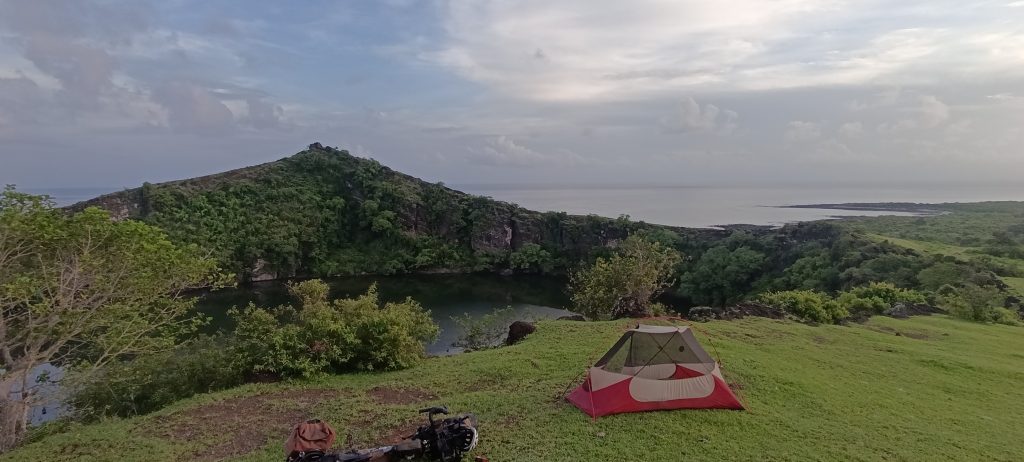
Lac Salé (Salty Lake) is located in the north of the main island. The area offers a beautiful view and is a great place to camp undisturbed.
Beaches
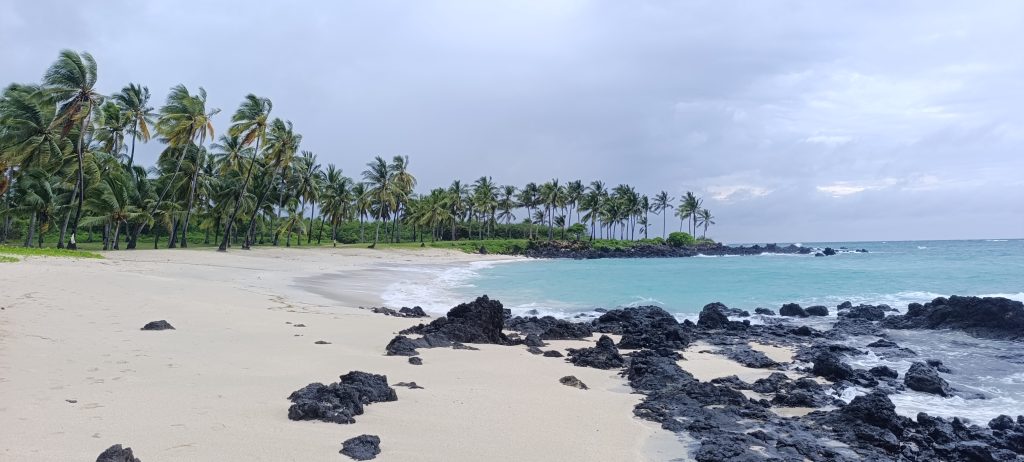
Secluded, beautiful beaches are perfect for swimming and relaxing. For example, in Mitsamihouli, Ouellah, or Chomoni—to name just a few.
Eating and drinking
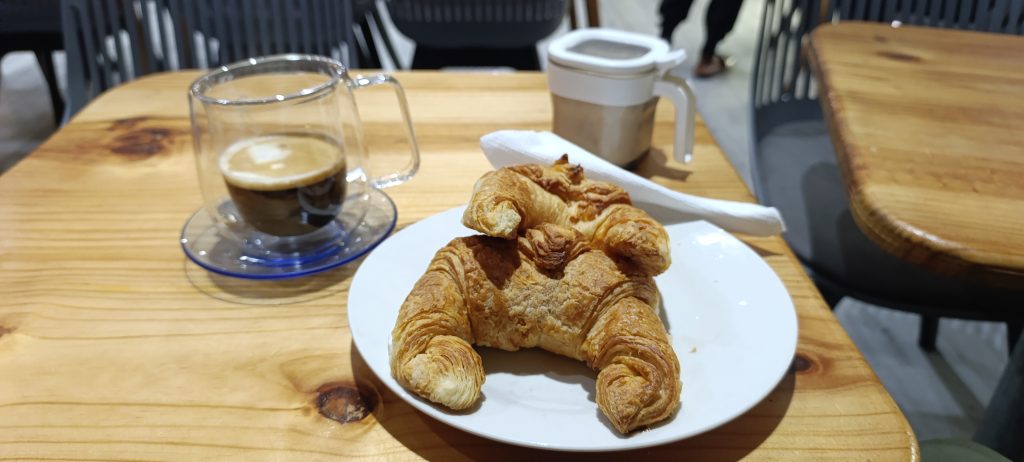
Compared to East Africa, the Comoros offer a bit of a change of pace. The French influence is clearly evident. I was really happy to find croissants, pain au chocolat, and other treats in Moroni. Other than that, the food isn’t all that different from other countries. Rice is a staple—often served with fresh fish. By the way, alcohol is only available in a few hotels. Otherwise, there’s plenty of moonshine on the island.
Between the islands
From Grande Comore, there are regular ferries to Anjouan from the port in Moroni. Small boats depart from Chindi for Moheli. I asked about the prices at the small port and was quoted 40 € (one-way). Partly because of my limited time, I ultimately decided against making the trip to the small island.